
Written by Joanne Villavieja
Countries around the world have been buzzing with the pandemonium brought on by the 2026 World Cup. Screens everywhere have eyes raptly watching a game, from sports bars, to home TVs, to phones on public transportation. Rarely are there events that can capture so much of the world's collective attention. According to FIFA President Gianni Infantino: "What we are witnessing here is truly historic. The United States' opening match against Paraguay was the most-watched FIFA World Cup match ever broadcast in the United States, while more than 54 million people across Canada, Mexico and the United States watched their respective nations opening matches, shattering records and showing how football is truly uniting the world.”
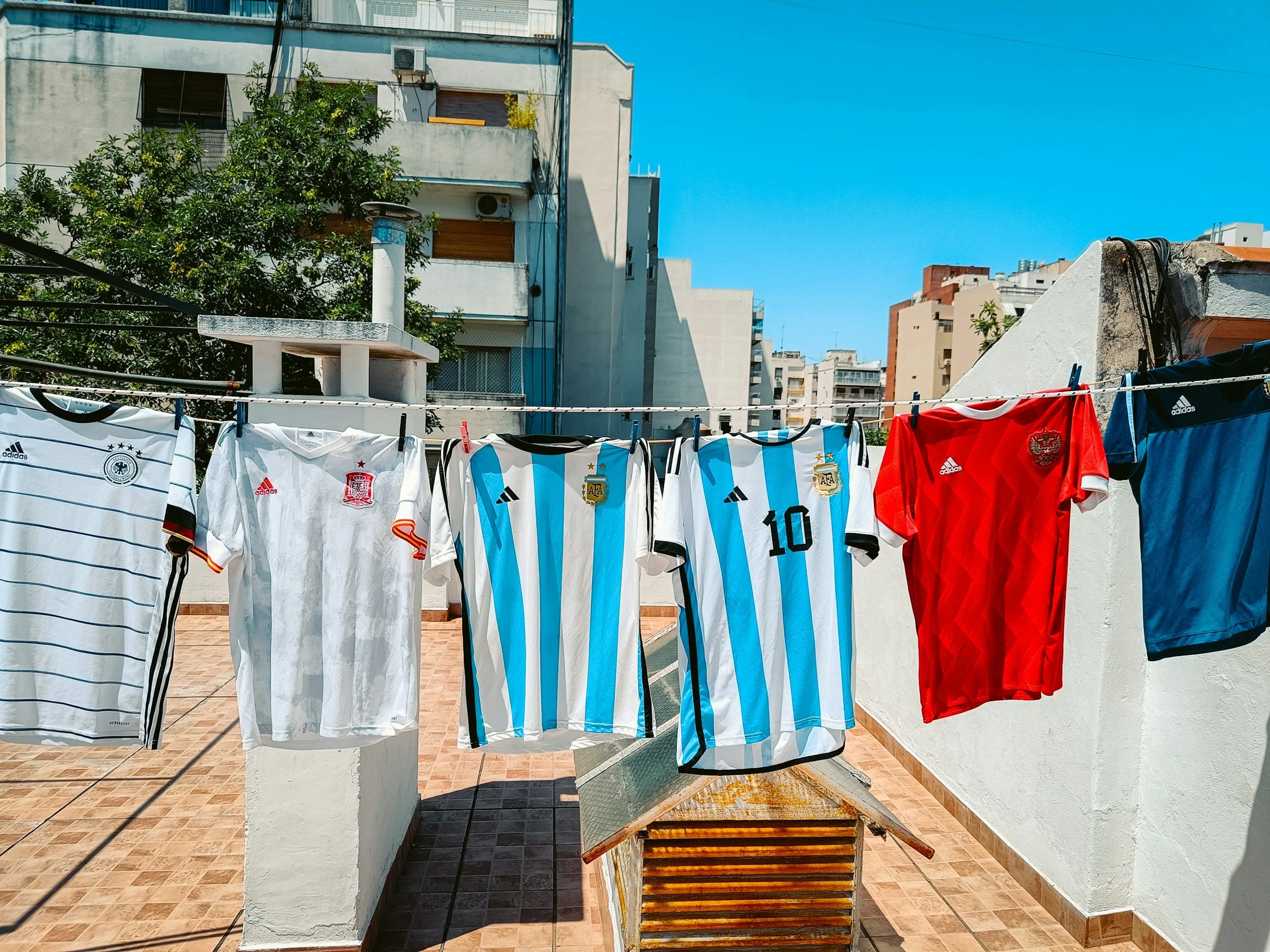
Another way that the games are uniting the world is by exposing audiences to the different practices and etiquettes that the cultures of each team brings to the field. The rules of the game may stay the same no matter the turf, but the nuances in game culture can vary by country in surprising ways. This can be seen mostly in the different ways that the fans for each team prepare and celebrate. Crowd chants, hygiene, superstitions, almost every team has its own unique tradition.
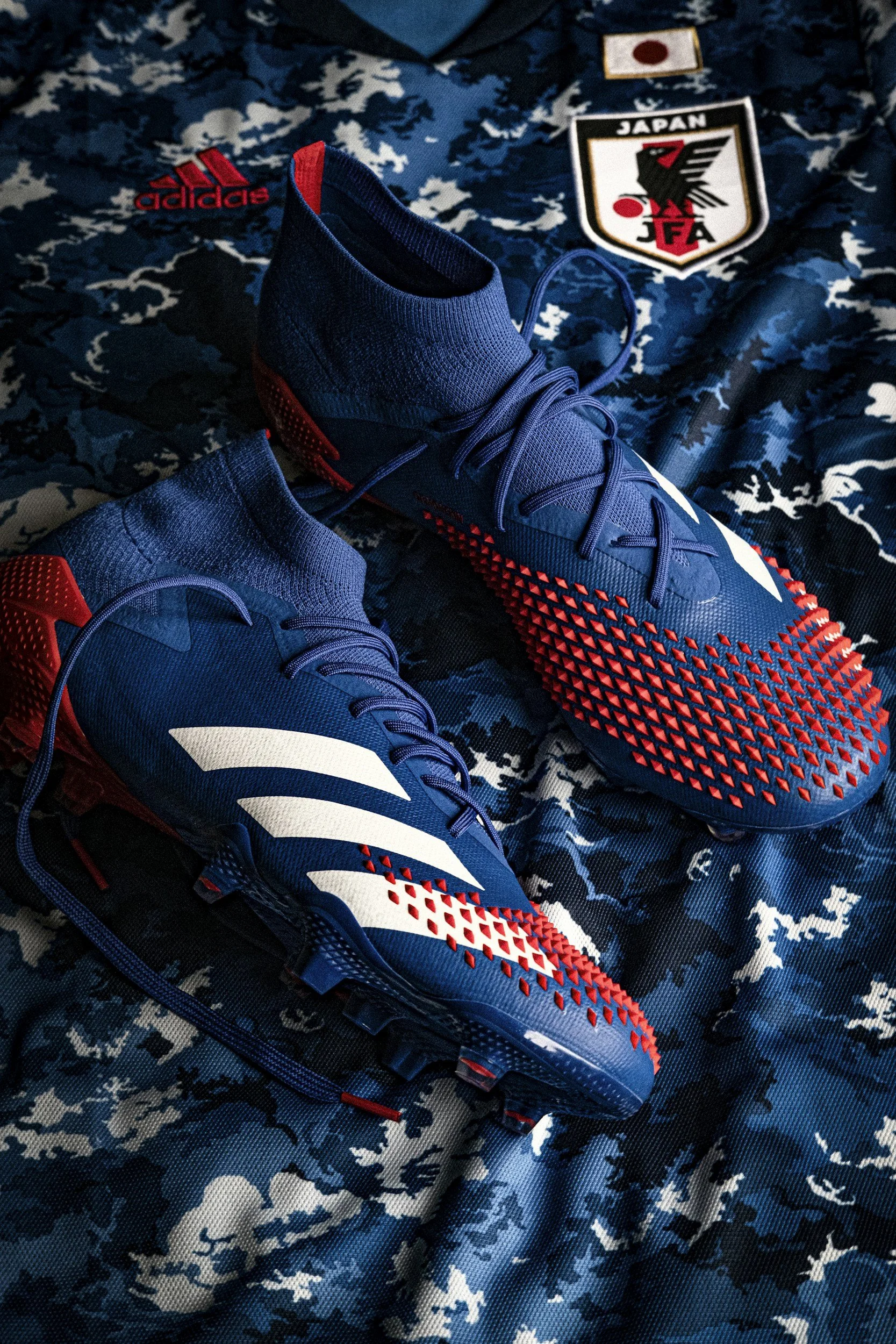
For example, it’s commonly known that the fans for Japan’s team have a tradition where after a game, they diligently walk around the stadium picking up garbage. They are known to leave each venue cleaner than when they first arrived. It’s a practice reflecting the emphasis on politeness and respect that Japanese culture is known for, and that other teams’ fans have begun to pick up as well.
On the other hand, some country’s fans have traditions meant to reflect the opposite. Iceland’s “viking clap” has become popular for creating a war-like atmosphere in the air during games, meant to intimidate the opposing team. As shown in this video, the players and fans can be seen raising their arms above their heads, clapping their hands together in unison with a loud shout. The rhythm starts slow but increases in speed and volume, eventually mimicking the rumble of an army before the start of battle, fitting for the country’s Viking warrior history.
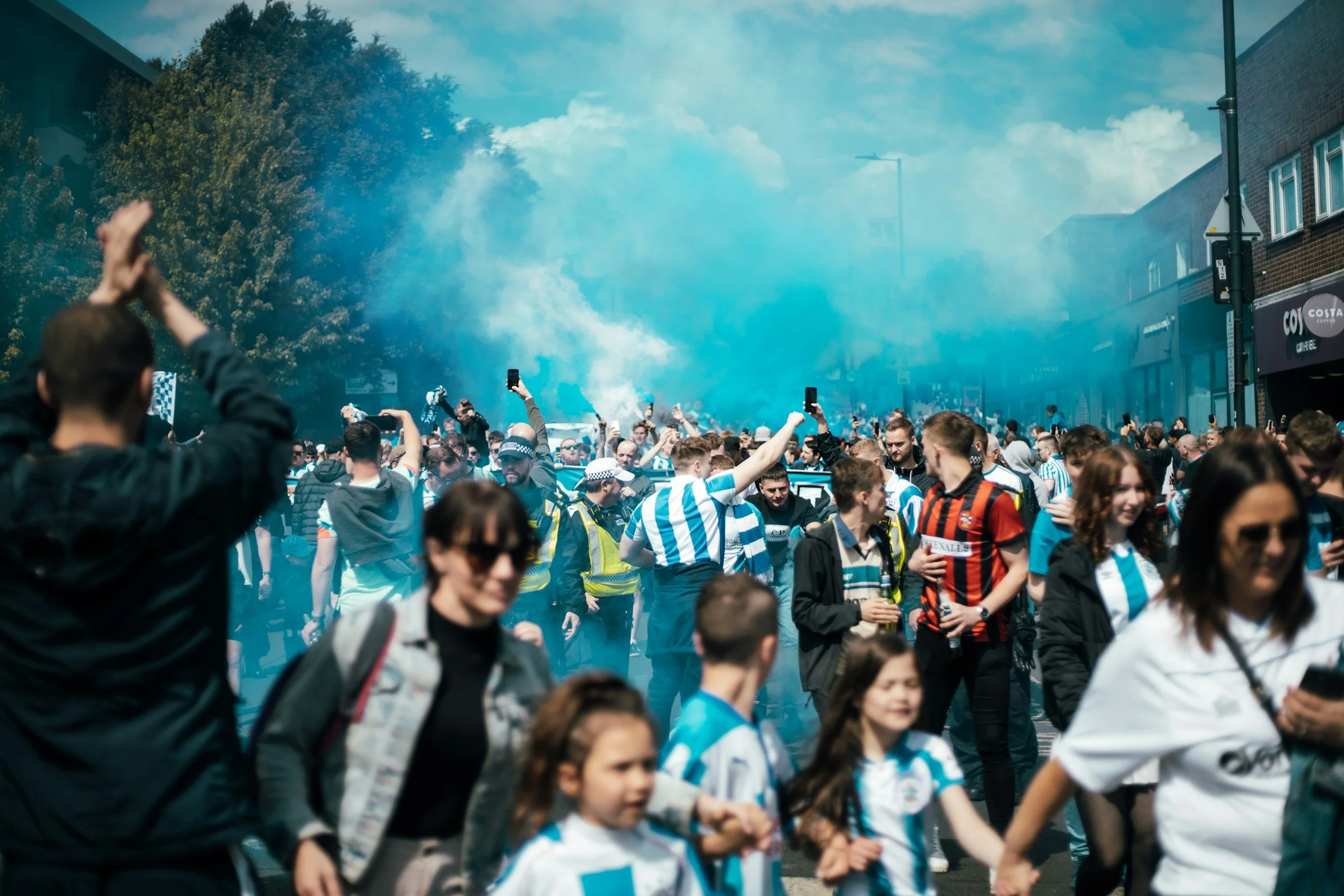
Some of the most extreme fan behaviors can be found in Argentina’s soccer culture, where the sport has an almost religious fanaticism across the country. Players like Messi are heavily revered and any Argentina game is bound to be packed with supporters. One of the most scandalous incidents involving rowdy fans happened during the 2015 Copa Libertadores, where one game could not be completed, on account of fans spraying team players with pepper spray. Conversely, the ardor and support that Argentinian fans have for soccer has also created positive experiences surrounding the games. This World Cup, Argentina is being hosted in Kansas City, where crowds are gathering at FIFA fan festivals spanning 19 days to celebrate. The massive attendance has benefitted local non-profit organizations by creating a surplus of food that then gets donated to local families in need.
The 2026 World Cup is doing more than just bringing people together to play a sport, but serving as a medium for cross-cultural exchanges on a global scale. The event may culminate in the weeks to come, but the effects of it will continue to be seen throughout the world.
To stay up to date on cultural insights and connect with your changing audiences, be sure to include E-Tech’s multicultural-driven products in your upcoming marketing campaigns.
